Seasonal Learning Activities | YHO Build It For Me
By The YHO Team · November 1, 2026 · 4 min read
A classroom nature center set up once and changed four times a year, with a short list for each season.
Table of contents
- Set up the center once
- Fall: the easiest tray
- Winter: smaller, quieter
- Spring: change you can watch
- Summer: limit the collection
- Storage between seasons
- The adult's part
- Where the class version connects
- A job chart for the center
- Materials that survive twenty children
- Linking the center to the rest of the day
- A term at a glance
- Where to start
Seasonal learning activities in a classroom need a fixed home before they need content. A nature center that changes four times a year works because the shelf stays the same and only the tray changes. Children know where to go and what to expect, which is what makes the area usable without an adult standing over it.
Set up the center once
You need a low table or shelf, one tray, a magnifier, a sorting mat, a small brush, and a folder for drawn records. That is the whole setup, and it costs less than one packaged kit.
Put a picture label on the shelf showing what belongs there. A four-year-old who cannot read the label can still match the picture and reset the tray, which turns tidying into a job rather than a direction.
Fall: the easiest tray
Fall collects itself. Leaves, seed heads, twigs, fallen petals. Put eight to twelve items on the tray and let the sorting mat do the rest.
Change the sorting rule every two weeks: colour, then shape, then smooth versus toothed edge. One rule at a time, clearly stated on a card.
Winter: smaller, quieter
Winter trays are thinner, and that is fine. Bark, evergreen sprigs, dry seed heads, stones, a feather. Add a weather chart near the window and a card asking what changed since yesterday.
Winter is also the season for tracks. A printed track page on the shelf, with three common tracks, gives children something to look for on the way in.
Spring: change you can watch
Spring is about sequence. A bud, a half-open leaf, and a full leaf, ordered along a strip. This is the season where the center becomes a place to check rather than a place to sort.
Add a small pot with a bean in it. One pot, one job: water it, look at it, draw it once a week.
Summer: limit the collection
Summer has too much material, so the adult's job is to limit it. Eight items, chosen deliberately, plus a rule about what stays outside. A tray with everything in it teaches nothing.
This is also the season for sorting by texture, which summer materials suit: smooth stones, dry grass, soft petals, rough bark.
Storage between seasons
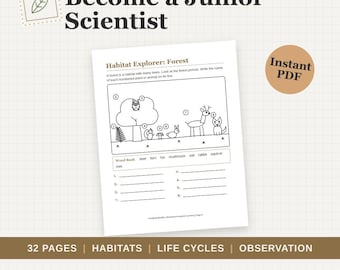
STEM Science Learning Activities for Kids
Habitats, life cycles, and observation prompts that spark curiosity about the natural world, K-2.
View printableOne box per season, labelled, with the tray contents, the printed cards, and the folder of drawings. Store the box out of reach; bring it out at the start of the season. The ritual of unpacking is part of the activity.
The adult's part
Resist explaining. Put the tray out, show the first step to the group once, then let the center run. If a child sorts by their own rule, ask them to explain it. That conversation is the assessment.
Where the class version connects
For the whole-year plan behind this setup, read the seasons activities overview. For the cold months specifically, this guide to winter activities for kids covers weather, snow and animals.
A job chart for the center
One child per session is responsible for the nature center. The job is to check the tray against the picture label, return anything that wandered, and sweep the table with the small brush.
Rotate the job daily. It takes two minutes and it removes most of the adult tidying, which is the difference between a center that survives a term and one that gets packed away in October.
Materials that survive twenty children
Card stock for printed mats, laminated if the budget allows. Nothing glass. A magnifier on a string, tied to the shelf, so it cannot leave the area.
Two of everything that gets touched most: two mats, two magnifiers, two brushes. A wait is what turns a center into a queue.
Linking the center to the rest of the day
Ask one question at circle time about the tray: what is new on it, what did you notice. One question, not a lesson. Seasonal learning activities in a classroom work when they are a place children can return to, not a topic that is taught once and closed.
A term at a glance
One term is one collection, one rule, one printed page, and a job chart that rotates. That is enough for a classroom, and it is repeatable, which matters more than richness in a room with twenty children. Seasonal learning activities work when the center is open every day rather than during a unit, so the tray stays out and the picture label stays up. At the end of the term, the folder holds twenty drawings, and the next term starts with the same shelf and a new collection. The routine is the curriculum here.
Where to start
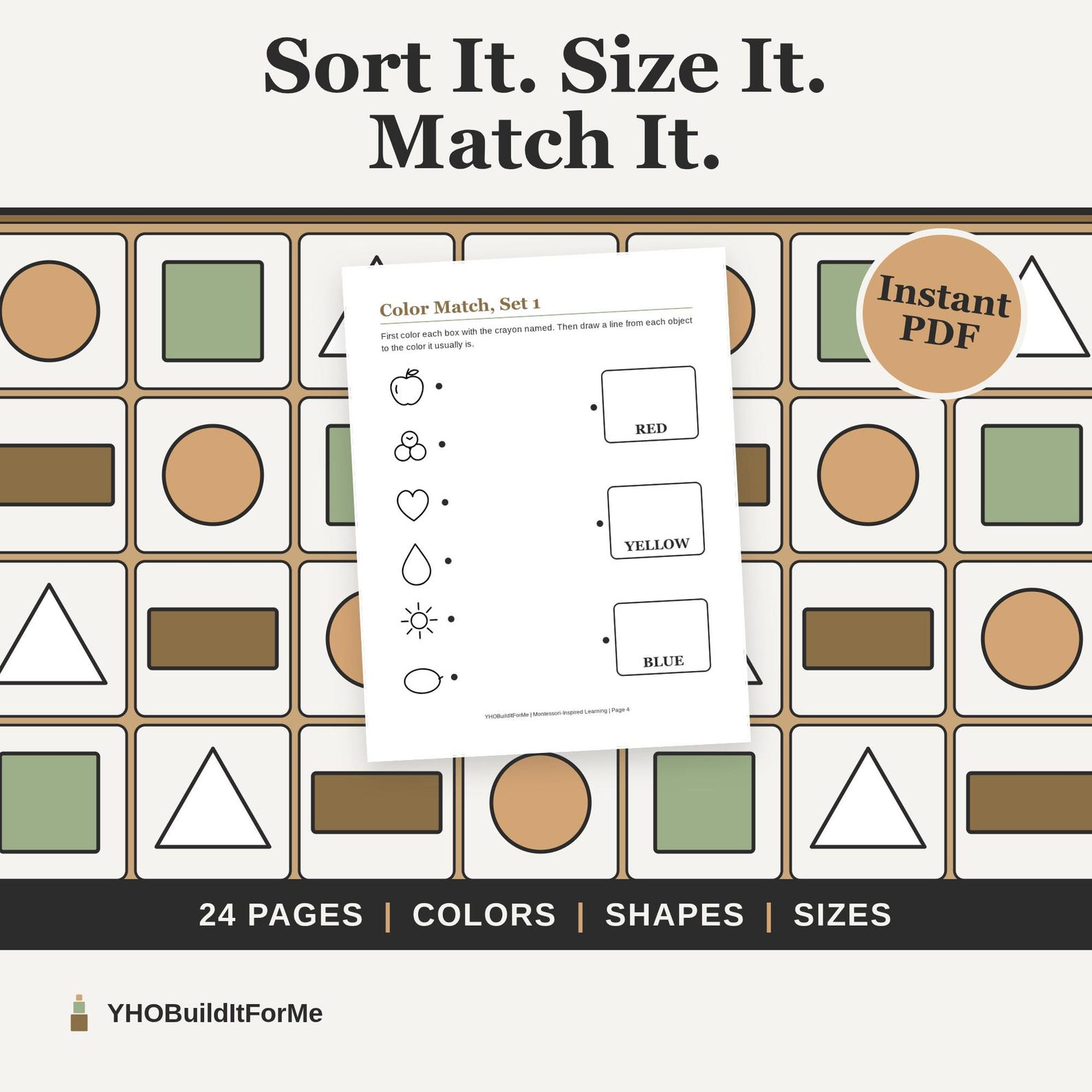
Clear one low surface this week and put a labelled tray on it. Printable sorting mats and seasonal pages are in the YHO Build It For Me shop.
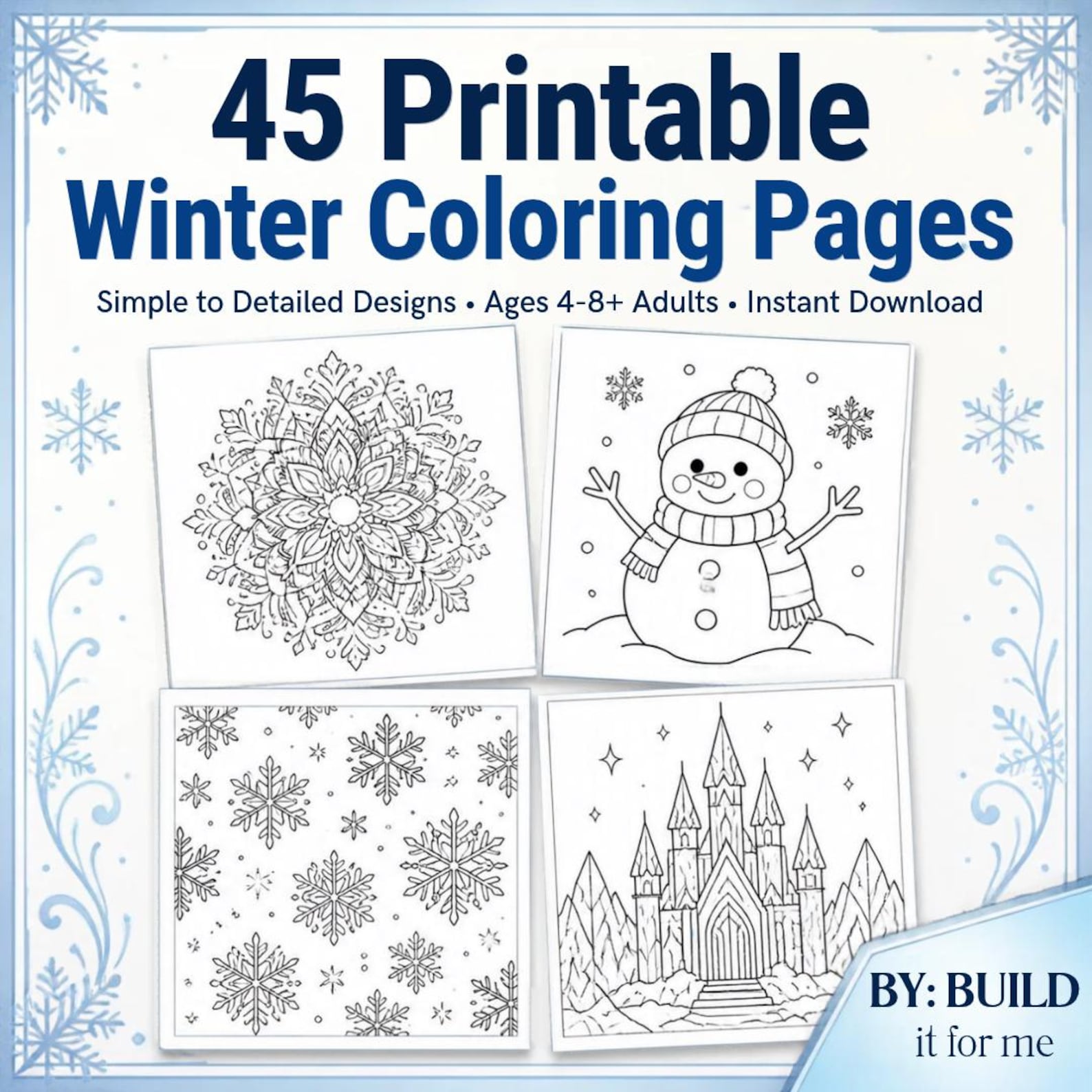
Winter Coloring Pages Bundle
40 calm winter coloring pages, from simple shapes to gentle patterns, for screen-free coloring all season.
View printableFrequently asked questions
What belongs in a classroom nature center?
A tray, two or three collections, a magnifier, a sorting mat, and a small folder for drawn records. Everything a child can use without an adult.
How often should seasonal learning activities change in a classroom?
Four times a year for the collection, and every two weeks for the printed page. The shelf stays the same; the contents rotate.
How do I keep a nature center tidy with twenty children?
Limit the collection to one tray at a time, mark the tray with a picture of its contents, and give one child the job of resetting it at the end of each session.
Some links go to the Etsy shop. Every printable here is one I would use in my own learning routine.