Science Preschool: Nature Sorting | YHO Build It For Me
By The YHO Team · September 14, 2026 · 4 min read
Sorting and sequencing leaves, shells and buttons: how science preschool work looks when it starts with a collection.
Table of contents
Science preschool work is mostly observation, and observation starts with a collection. A handful of leaves, a pocket of shells, a jar of buttons. Before any explanation, a child needs something worth looking at closely.
This is the part adults skip. We explain why leaves change colour, when the real work is noticing that the leaves differ at all. A four-year-old who can sort twelve leaves into two groups has done more science than one who has heard a fact about chlorophyll.
Collect first
A science preschool session begins outside with a bag. Ask for eight to twelve objects, no more. Leaves, seed pods, small stones, shells, fallen petals. Bring them inside and put them on a tray.
Let the child look without instruction for a minute. Then ask one question: what do you notice? Listen to the answer without improving it.
Sort by one property at a time
Sorting is the core skill. Start with something visible and easy: colour, then size, then shape. Give two containers first, then three. A sorting mat with printed circles works well because the groups stay separate and the child can see the whole collection at once.
When that is easy, choose a harder property: texture, weight, whether it rolls, whether it has a stem. The interesting moment is when the child chooses the rule themselves. Ask them to explain it, and write down what they say.
Sequence the collection
Sequencing is the other half. Line up five leaves from smallest to largest. Then line them up by how dark they are. Then by how many points they have. Each re-sequence uses the same objects and a new idea, which is why a small collection beats a large one.
For buttons, sequencing by size is the classic. For shells, ordering by how open the curve is. For stones, ordering by rough to smooth. Any collection can be ordered along some line.
Record it on paper
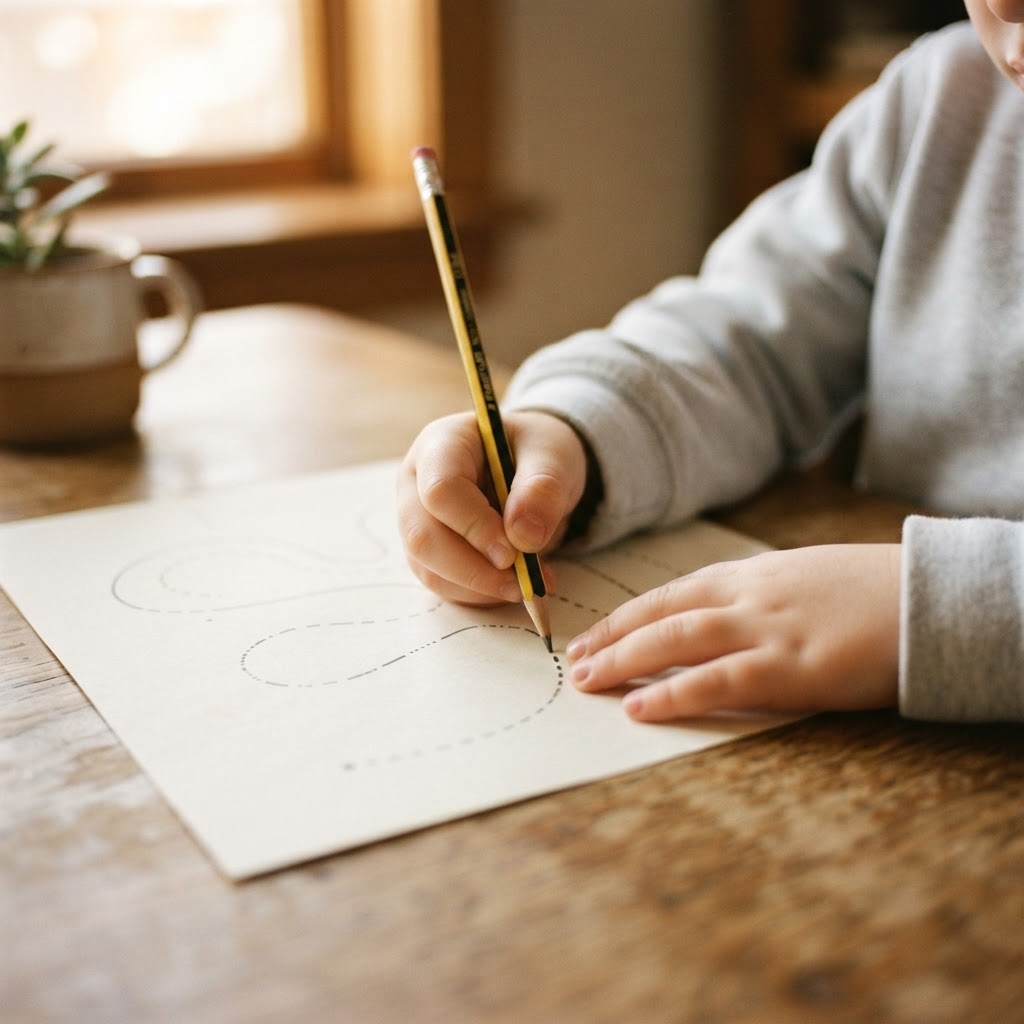
A printed page gives the collection somewhere to go. A sorting mat holds the groups. A sequence strip holds the order. A simple record sheet lets the child draw one object and tell you about it while you write the word.
Keep the drawing, keep the objects in a small box, and return to the same collection a week later. Repetition is where the observation deepens.
What to avoid
Avoid explaining before the child has looked. Avoid correcting a sort that is defensible under their rule. Avoid turning the collection into a craft project before it has been studied, because glue ends the inquiry.
Sensorial Sorting Activities
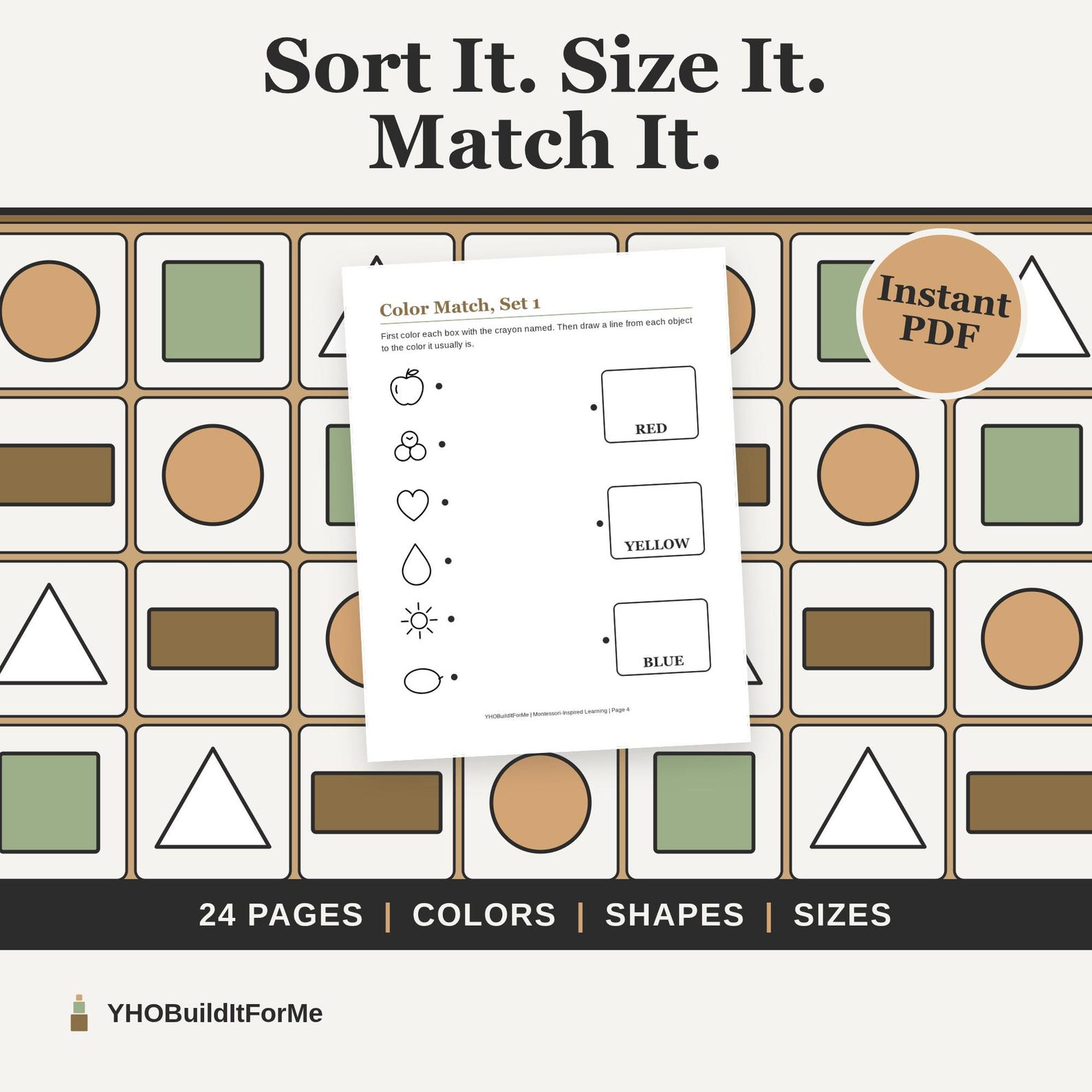
24 printable sorting pages for colour, shape, size, length, weight and texture, one quality at a time.
View printableWhere this fits in a season
A nature collection changes with the season, which makes it a natural weekly habit. The seasons activities overview shows how to plan one collection per season, and the spring, summer and fall activity ideas give one idea for each.
What to print, and what not to
A science preschool collection needs very little paper. Three printed things do most of the work: a sorting mat with two or three circles, a sequence strip with five blank squares, and a record sheet with a large box for a drawing and one line for a word.
Print them on card stock, because they will be used with objects resting on them. A mat that slides around while a child sorts is a mat that stops being used.
What not to print: pages of facts about leaves. A four-year-old does not need the mechanism of colour change; they need to notice that the colours differ. Facts are easy to find later, and attention is not.
Asking better questions
The question you ask decides what the child does next. A closed question gets a one-word answer and ends the session. An open one keeps the hands moving.
Instead of asking what colour a leaf is, ask which two leaves are most alike. Instead of asking whether a stone is smooth, ask which stone would be hardest to draw. Instead of explaining why a shell curves, ask which shell looks like it could hold water.
Write the child's answer down while they can see you doing it. That small act tells them the observation is worth keeping, which is the whole habit you are building.
Collections that stay interesting
A collection that sits undisturbed becomes furniture. Change one object every few days: add a feather, remove a stone, swap two leaves for one pod. That small change is enough to bring a child back to the tray, and it costs nothing. Keep a box for the current season and a folder for the drawings, and resist the urge to add every find. A science preschool tray with eight considered objects will be handled more than a tray with thirty. The eight objects also make the sorting possible, which is where the real work happens on a table with a four-year-old.
Keep the collection small enough to see at once. Twelve objects is the ceiling, and eight is usually better.
Where to start
Take a bag outside this week and bring back eight objects. Sort them on a tray before you explain anything. Printed sorting mats and sequence strips are available in the YHO Build It For Me shop.
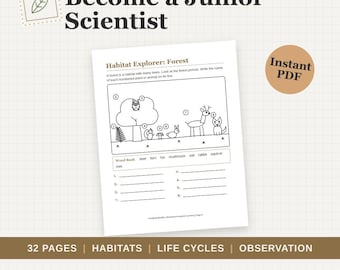
STEM Science Learning Activities for Kids
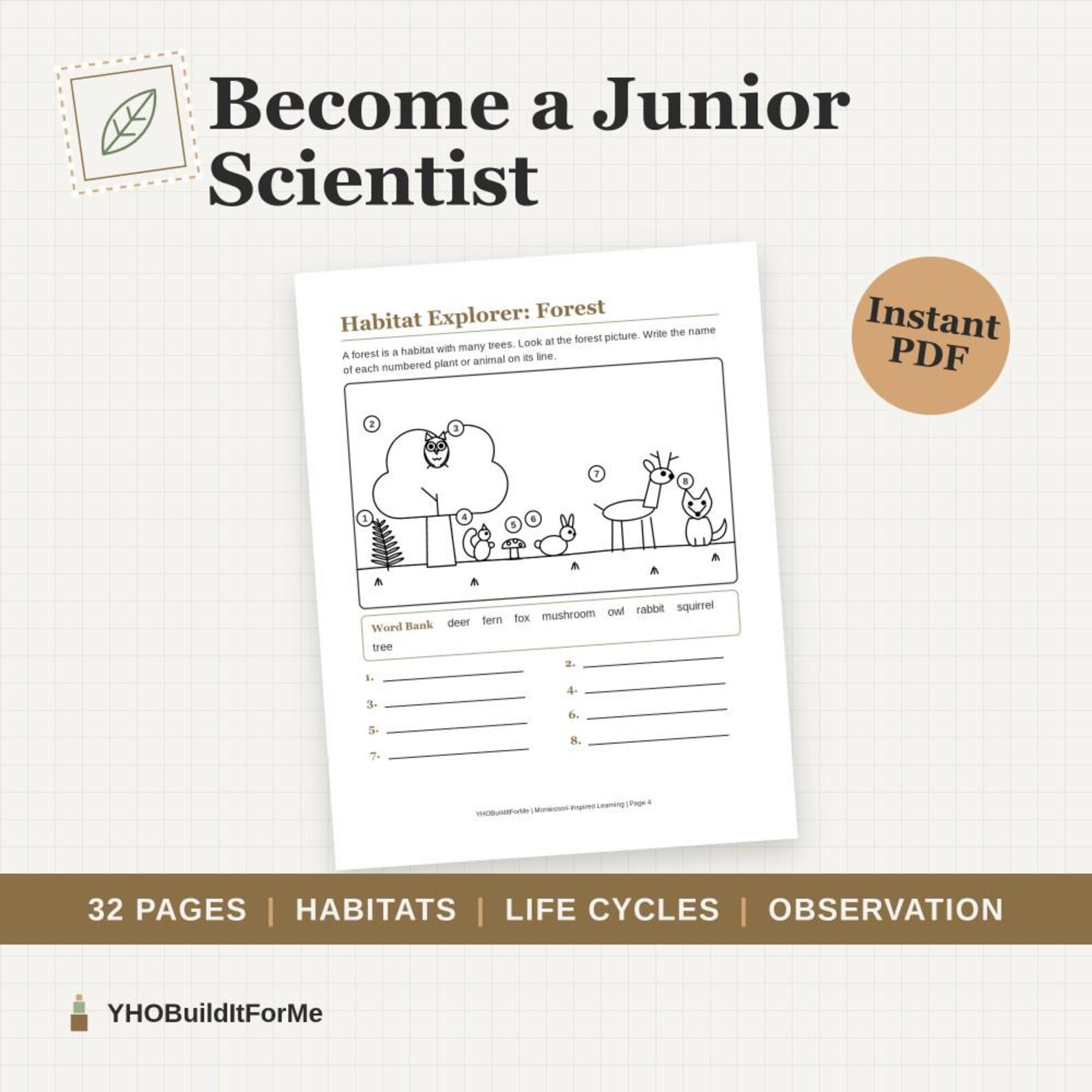
Habitats, life cycles, and observation prompts that spark curiosity about the natural world, K-2.
View printableFrequently asked questions
What does science preschool work look like at home?
Mostly collecting, sorting and sequencing. A child groups leaves by colour or shape, then lines them up in order of size. That is observation practice.
How many objects should a child sort at once?
Eight to twelve. Enough to make a pattern, few enough that the whole collection fits in view.
Do I need a printable for science preschool?
No, but a sorting mat or sequence strip gives the collection a place to land and gives you something to keep afterwards.
Some links go to the Etsy shop. Every printable here is one I would use in my own learning routine.